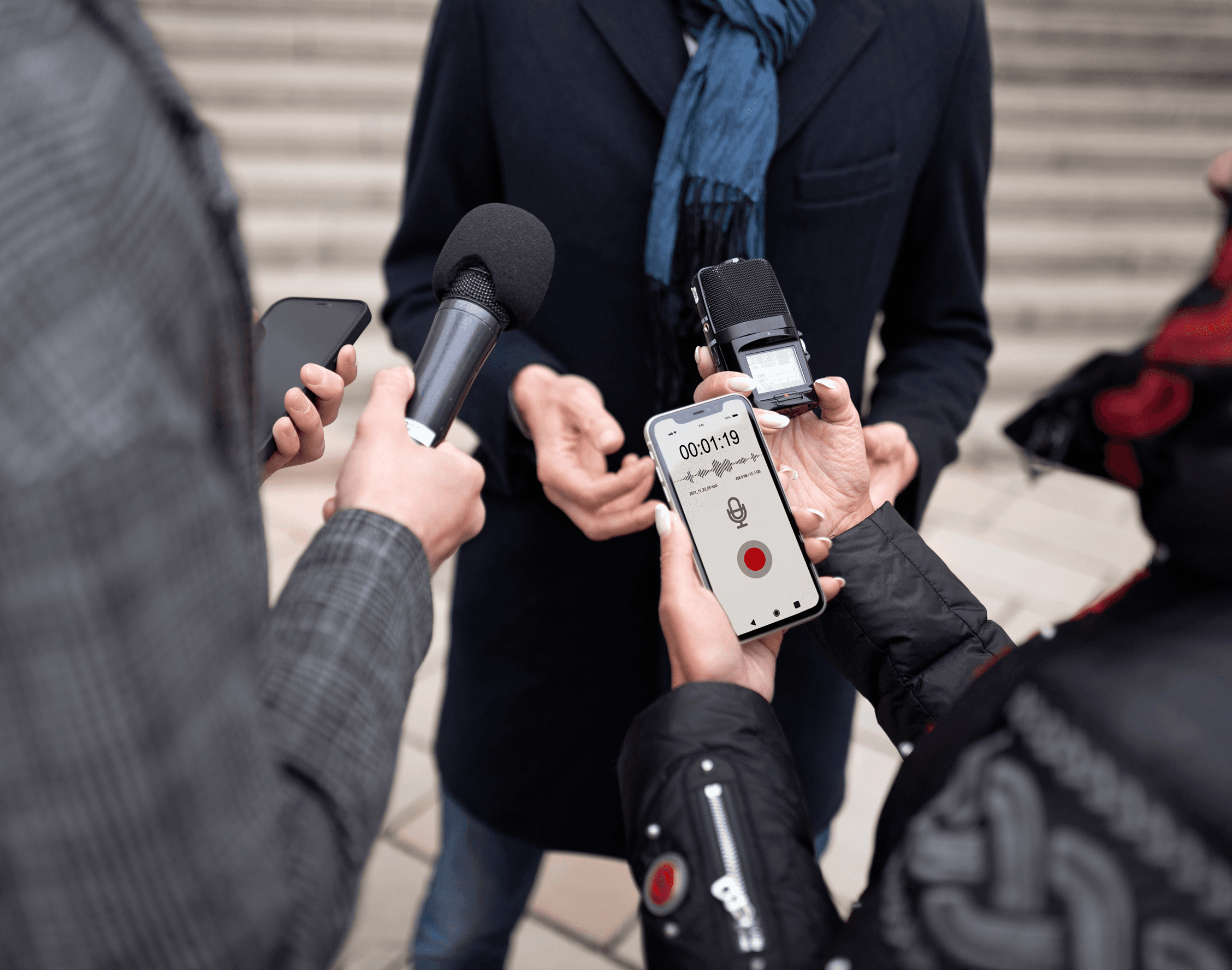
The science of writing a Good Press Release

A press release still opens doors — if it earns the read. Here is the anatomy of one journalists actually run.
Crisp and Precise
A press release still opens doors — but only when it respects a journalist’s time. The best ones read less like an announcement and more like a story already half-written, handing the reporter a headline, a hook, and the facts to back it up.
Lead with the news, not the brand. The first sentence should answer what changed and why it matters to the reader before it ever mentions the company. Everything after supports that claim: a quote that sounds like a human said it, a number that proves the point, and a boilerplate that stays out of the way.
A Fun Headline and a Fun Hook
Structure earns the read. Short paragraphs, one idea each, and a clear order from most to least important — so an editor can cut from the bottom and still keep the story intact. That inverted pyramid is old, but it works precisely because it respects how newsrooms move.
Do Not Reveal Everything at Once
Finally, make it easy to say yes. A link to assets, a name and a number, and a subject line that promises the story inside. Do that consistently and you stop pitching cold — you become a source.